Browsed by
Author:

Sri Lanka’s New President to Restart Talks with IMF

Sri Lanka’s New President to Restart Talks with IMF

Sri Lanka faces its worst financial trouble since it became independent in 1948. Its new leaders are acting to fix this major issue. They aim to bring the economy back and follow better money rules.

Sri Lanka's New President to Restart Talks with IMF Amid Economic Crisis

Sri Lanka is dealing with tough times, with prices rising by 70%. The talks with the IMF could give Sri Lanka up to $3 billion. This money is crucial for recovering from the pandemic and lost money.

These talks are a new start for Sri Lanka, filled with hope. The plan focuses on selling more abroad and owing less money. This strategy fits with Wickremesinghe’s efforts to boost the country’s exports while money reserves are low.

The country is trying to fix a lot of economic problems. Sri Lanka’s new president is bringing back talks with the IMF. Their plan could make Sri Lanka strong and successful by 2048.

Sri Lanka is entering a new phase focusing on economic growth. They are rethinking a huge part of their $29 billion debt with the IMF’s help. This assistance is key to fixing important parts of the country.

The government knows that help from the IMF is just the beginning. Support from countries like Japan will also be necessary. They owe a lot of money to different places, including China, which makes recovery complex.

For more details on President Wickremesinghe’s role, check out this link. The upcoming IMF talks are very important. They’re a chance for Sri Lanka to rise up from its tough situation.

Anura Kumara Dissanayake Assumes Presidency Amidst Financial Turmoil

Anura Kumara Dissanayake has become the President of Sri Lanka at a critical time. He is facing the Sri Lanka economic crisis. His leadership is key to making decisions that will help the nation stabilize.

Dissanayake won 42% of the vote, improving from 3% in the last election. He promised to change how Sri Lanka works with the IMF. This promise, aimed at easing economic pain, has marked a major change in Sri Lanka government policies.

The Path to Presidency: Election Victory in Economic Hardship

Anura Kumara Dissanayake’s presidency reflects the people’s call for change. He got 1.2 million more votes than the runner-up. His campaign focused on economic reform to help those suffering from high prices and shortages.

Sri Lanka’s Bankruptcy and Suspension of Debt Repayments

In 2022, Sri Lanka went bankrupt, showing how severe the Sri Lanka economic crisis was. Not paying debts on $83 billion stopped the economy. This situation called for urgent help and changes in the economy.

Dissanayake must tackle these huge financial problems. This includes talks on tax and revenue targets with others. His goal is to make austerity measures easier for the poor, following new Sri Lanka government policies.

Political Legacy and Crisis: The Fall of Gotabaya Rajapaksa

The economic crisis led to Gotabaya Rajapaksa’s regime falling. This made way for Dissanayake’s leadership. People wanted a leader who could deal with the economic issues, leading to Dissanayake’s victory.

Knowing Anura Kumara Dissanayake‘s economic strategy is crucial. It includes both short-term policy changes and long-term solutions. Examples are the domestic debt restructuring plan. These plans aim to meet IMF requirements and promote growth.

Sri Lanka news updates are keeping an eye on Dissanayake’s actions. His presidency is seen as a chance to stabilize and grow the economy.

IMF Negotiations: A Balancing Act for Economic Recovery

In tackling the Sri Lanka financial crisis, President Anura Kumara Dissanayake faces a tough challenge. He aims to guide Sri Lanka’s IMF negotiations to success. The nation’s foreign debt exceeds $51 billion, with urgent need for smart talks to meet Sri Lanka’s economic recovery goals.

President Dissanayake’s team plans to boost government income to about 15% of GDP by 2025 from 8.2%. They also want to reduce public sector debt to below 100% of GDP. This is a cut from 110% in 2021. Such steps are crucial to move away from the crisis.

Sri Lanka is dealing with big shortages of fuel, medicine, and cooking gas. The World Bank is helping to fix these. The economy shrank by 7.8% in 2022, making it critical to get a $3 billion bailout from the IMF. India has become a key supporter, offering around $4 billion in help.

The rules of the IMF deal are tough, focusing on strict monetary and fiscal goals. President Dissanayake has little space to argue but knows the third review is key for more support. His aim? To manage inflation better.

Raising the value-added tax to 15% and planning a 25-year economic policy show Dissanayake’s tough decisions. Yet, with schools and universities opening again, there’s a hint of normal life returning. IMF negotiations are hard, pushing Sri Lankan leaders to their limits. They must deal with debts, austerity, and keep hope alive for nearly 26% of people living in poverty. It’s a hard path but fighting for political stability, economic fixes, and global support is essential for recovery.

FAQ

Who is the new president of Sri Lanka set to restart IMF negotiations?

Anura Kumara Dissanayake has taken over as Sri Lanka’s president. He’s ready to talk with the International Monetary Fund (IMF). This is to help solve the country’s financial troubles.

What was the situation in Sri Lanka that led to IMF involvement?

In 2022, Sri Lanka could not pay its debts and stopped its debt repayments. This made it necessary for the IMF to step in. Their help is needed for Sri Lanka to improve its economy.

How did Anura Kumara Dissanayake become the president?

Anura Kumara Dissanayake was elected president after he got a lot of public support. He promised to change the tough IMF bailout terms. He also wanted to fix the nation’s “corrupt political culture.”

What are some challenges that the new president faces with the IMF?

President Anura Kumara Dissanayake has to work out a deal with the IMF. He needs to get easier conditions for Sri Lanka. At the same time, he must stick to the strict rules the IMF has set, like keeping certain fiscal targets.

Will there be changes to Sri Lanka’s governmental structure under the new president?

After winning the election, President Dissanayake ended the parliament’s term early and called for new elections. This move suggests there might be changes in how the government works. He’s focusing on fixing the economic and political issues.

What was the role of the previous president, Ranil Wickremesinghe, in the economic crisis?

The last government, led by Ranil Wickremesinghe, raised taxes and reduced spending. This improved the economy a bit and stopped shortages. But it also made life hard for many people. These actions played a part in the country’s financial woes. This led to a need for new leadership.

Has the International Monetary Fund reacted to the potential renegotiation of the bailout terms?

The IMF is open to working with President Dissanayake’s team. They stressed the importance of reviewing the support program. However, experts think that there’s little room for Dissanayake to make big changes to the IMF’s conditions.

How did Sri Lanka find itself in an economic crisis?

Several things caused Sri Lanka’s financial crisis. High foreign debt, political problems, and the COVID-19 pandemic hurt its tourism. This led to a payments crisis and bankruptcy.

What are some of the key policies from Anura Kumara Dissanayake’s platform?

Anura Kumara Dissanayake wants to soften the IMF’s tough bailout rules. He aims to fight political corruption and ensure a fairer economic recovery. This approach is meant to help everyone in Sri Lanka.

Hans Wijayasuriya Named Chief Digital Economy Advisor

Hans Wijayasuriya Named Chief Digital Economy Advisor

Dr. Hans Wijayasuriya has been appointed as Sri Lanka’s Chief Advisor to the President on Digital Economy. His 30-year telecom career at Axiata and Telekom Malaysia positions him well for this role. This appointment marks a crucial step towards digital transformation in various sectors.

Axiata's Hans Wijayasuriya Appointed Chief Digital Economy Advisor

In 2024, Dr. Wijayasuriya received the GSMA Chairman’s Award for his mobile industry contributions. His expertise is expected to boost connectivity and economic modernization in Sri Lanka. He will play a key role in shaping the nation’s digital future.

Key Takeaways

  • Dr. Hans Wijayasuriya appointed as Chief Advisor to the President on Digital Economy
  • Over 30 years of experience in the telecommunications industry with Axiata and Telekom Malaysia
  • Received GSMA Chairman’s Award in 2024 for contributions to the global mobile industry
  • Expected to drive digital transformation initiatives and strengthen digital frameworks across sectors
  • Appointment marks a significant step towards a digital economy in Sri Lanka

Veteran Telecommunications Executive Appointed to Key Advisory Role

Dr. Hans Wijayasuriya is now Sri Lanka’s Chief Digital Economy Advisor to the President. His vast experience in digital solutions is expected to boost economic development. This move aims to strengthen the country’s digital frameworks across various sectors.

innovation ecosystem Sri Lanka

Dr. Hans Wijayasuriya’s Extensive Experience in Digital Solutions

Dr. Wijayasuriya brings rich knowledge to his new role. He was CEO of Telecommunications Business at Axiata Group Bhd. His expertise has helped grow digital economies.

His experience spans organizations like the University of Bristol and True Corporation. True Corporation is the most sustainable telecom company globally, according to S&P Global. Dr. Wijayasuriya has also served on various Board Investment Committees.

Expected to Drive Initiatives to Strengthen Digital Frameworks Across Sectors

As Chief Digital Economy Advisor, Dr. Wijayasuriya will lead initiatives to improve Sri Lanka’s digital landscape. He aims to create a thriving innovation ecosystem. His focus will be on strengthening digital frameworks in government services, finance, and healthcare.

Dr. Wijayasuriya will work on building strong public-private partnerships. This will help create a solid digital infrastructure for economic growth. His appointment is a big step towards making Sri Lanka a digital economy leader.

Axiata’s Hans Wijayasuriya Appointed Chief Digital Economy Advisor

Dr. Hans Wijayasuriya is now the Chief Advisor to the President on Digital Economy. The Presidential Media Division made this announcement. He brings over 20 years of experience in digital and telecommunications across Asia.

Transition from Role as CEO of Telecommunications Business and Group Executive Director at Axiata Group Bhd

Dr. Wijayasuriya will leave his role at Axiata Group Bhd in January 2025. He has been with the company for 30 years. Under his leadership, Dialog Axiata became a key player in Sri Lanka’s telecommunications market.

Axiata Group serves over 150 million customers in several countries. These include Malaysia, Indonesia, Bangladesh, Sri Lanka, and Cambodia. The group has contributed to Sri Lanka’s digital infrastructure development.

Dr. Wijayasuriya has received recognition for his work in the global mobile industry. In 2024, he won the GSMA Chairman’s Award. He has also served on the GSMA board of directors.

Appointment Announced by Presidential Media Division

The PMD’s announcement shows the government’s focus on digital growth. Dr. Wijayasuriya’s expertise will help strengthen Sri Lanka’s digital frameworks. This move aims to support the country’s economic modernization and growth.

His knowledge in telecommunications and technology will be valuable. The government expects to improve various sectors through digitization. This aligns with Sri Lanka’s efforts in strengthening its digital frameworks.

Mandate to Enhance Connectivity and Support Economic Modernization

Dr. Hans Wijayasuriya will lead Sri Lanka’s digital transformation as ICTA’s Non-Executive Chairman. He’ll oversee the digital transformation framework’s planning and implementation. This aligns with the government’s goal to accelerate the digital economy.

The government aims to improve citizens’ lives through Digital Public Infrastructure. This initiative promotes inclusivity and sustainable growth. Dr. Wijayasuriya’s expertise will modernize education, healthcare, and finance sectors.

His leadership at Dialog Axiata made it a key player in Sri Lanka’s telecommunications market. At Axiata Group, he served over 150 million customers across multiple countries.

Leading the Board of ICTA as Non-Executive Chairman

As ICTA’s Non-Executive Chairman, Dr. Wijayasuriya will guide efforts to enhance connectivity. He’ll support economic modernization through capacity building initiatives. This ensures necessary skills and infrastructure for digital transformation.

Challenges include updating Sri Lanka’s digital infrastructure and addressing cybersecurity concerns. Establishing appropriate regulatory frameworks is also crucial.

Future Executive Leadership Roles in Digital Economy Institutional Framework

Dr. Wijayasuriya will take on executive leadership roles in the digital economy framework. These positions will follow relevant legislative enactment. He’ll contribute to modernizing the economy and improving Sri Lankan citizens’ lives.

His decision to leave Axiata in January 2025 shows commitment to Sri Lanka’s digital agenda. This move will allow him to focus on driving the country’s digital transformation forward.
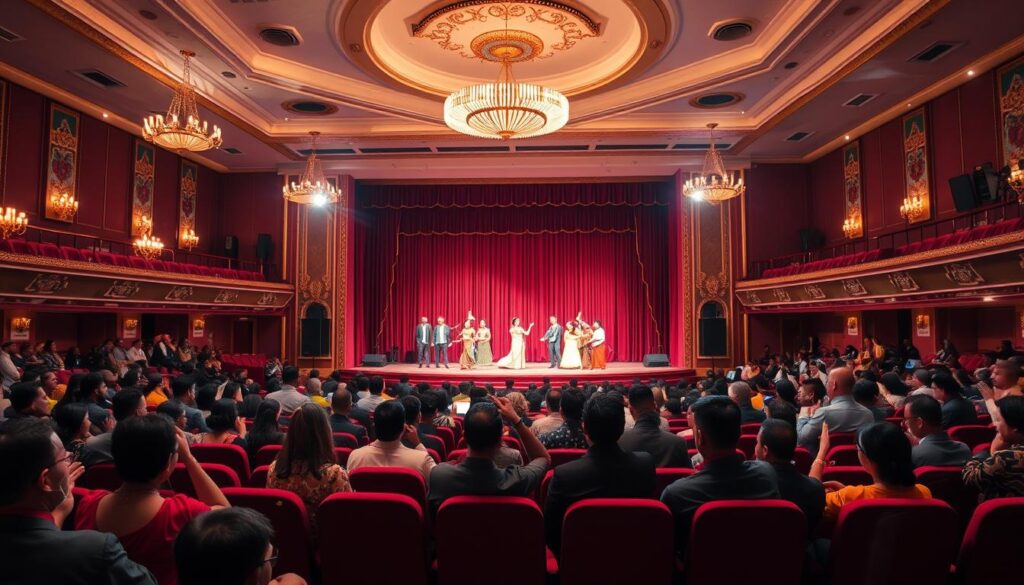
Sri Lankan State Drama Awards Honor Theater Excellence 2022

Sri Lankan State Drama Awards Honor Theater Excellence 2022

The 2022 State Drama Award Ceremony celebrated theatrical excellence at the Maharagama National Youth Service Council Auditorium. President Ranil Wickremesinghe presided over this golden jubilee event. It honored artists and craftsmen who contributed to Sri Lanka’s performing arts.

The Ministry, Department of Cultural Affairs, and State Drama Advisory Council jointly organized the ceremony. It recognized outstanding achievements in Sri Lankan theater. The event highlighted the nation’s dedication to nurturing and promoting performing arts.

2022 State Drama Award Ceremony Celebrates Theatrical Excellence

The State Drama Awards have been a tradition since 1956. Sri Lankan citizens submitted applications across 34 categories in Sinhala, Tamil, and English. The final round featured 10 long plays and 21 short plays.

This selection showcased the depth and diversity of Sri Lankan theater. It demonstrated the country’s rich theatrical talent and creativity.

Key Takeaways

  • President Ranil Wickremesinghe presided over the 2022 State Drama Award Ceremony, celebrating the golden jubilee of theater excellence in Sri Lanka.
  • The event recognized outstanding achievements in Sri Lankan theater across 34 categories in Sinhala, Tamil, and English.
  • The ceremony showcased the collaborative efforts of the Ministry, Department of Cultural Affairs, and State Drama Advisory Council in promoting performing arts.
  • The State Drama Awards, a tradition since 1956, received applications from Sri Lankan citizens, with 10 long plays and 21 short plays selected for the final round.
  • The event highlighted the nation’s commitment to nurturing and recognizing exceptional talent in the theater industry.

2022 State Drama Award Ceremony Celebrates Theatrical Excellence

The 50th State Drama Festival – 2022 award ceremony honored Sri Lankan theater achievements. It was organized by the Ministry of Religious Affairs, Department of Cultural Affairs, and State Drama Advisory Council. The event celebrated dramatic excellence and recognized outstanding stage talent.

President Ranil Wickremesinghe Presides Over Golden Jubilee Event

President Ranil Wickremesinghe attended the golden jubilee ceremony. He personally honored artists for their contributions to Sri Lankan drama. The event highlighted the nation’s rich theatrical heritage and exceptional talents.

Collaborative Effort by Ministry, Department of Cultural Affairs, and State Drama Advisory Council

The 50th State Drama Festival award ceremony showcased successful collaboration. The Ministry of Religious Affairs, Department of Cultural Affairs, and State Drama Advisory Council worked together. Their efforts paid tribute to artists who have enriched Sri Lankan theater.

Outstanding Achievements in Sri Lankan Theater Recognized

The ceremony recognized excellence in various theatrical categories. These included performances, direction, playwriting, and technical aspects like art direction and make-up. It also honored camera work, editing, music, and sound design.

The event celebrated the diverse talents in theater. It acknowledged the commitment of stage talent to their craft.

Exceptional Talents Honored at State Drama Awards

The Sri Lankan State Drama Awards celebrated theatrical brilliance. It recognized outstanding achievements of distinguished artists and productions. The event showcased incredible talent within the Sri Lankan theater community.

Excellence in various aspects of performing arts was celebrated. The awards highlighted the dedication of artists and production teams.

M. M. Rauf and Prof. Sunanda Mahendra Recognized for Remarkable Contributions

M. M. Rauf and Prof. Sunanda Mahendra received honors for their contributions to Sri Lankan theater. Their lifelong dedication to dramatic arts was acknowledged. The ceremony highlighted their role in shaping the country’s theatrical landscape.

Awards Bestowed Upon Hiran Abeysekera, M. Saphir, Sujeeva Pathinisekara, Subuddhi Lakmali, and Nalan Mendis

Hiran Abeysekera, M. Saphir, Sujeeva Pathinisekara, Subuddhi Lakmali, and Nalan Mendis received accolades. They were recognized for exceptional performances and contributions. These talented performers showcased their skill, versatility, and commitment to craft.

The ceremony launched a special commemorative stamp and captivating exhibition. These initiatives highlighted the rich history of Sri Lankan drama. They showcased theater’s role in shaping cultural identity and artistic expression.

President Dissanayake Dissolves Parliament, Calls for Elections

President Dissanayake Dissolves Parliament, Calls for Elections

President Anura Kumara Dissanayake has made a significant move in Sri Lanka’s politics by dissolving Parliament. This major step is in readiness for a snap election, abiding by the Constitutional procedure. It reflects President Dissanayake’s intent to reshape government policies to match his vision, following his election win.

President Dissanayake Dissolves Parliament, Calls for November Elections

Under Dissanayake’s lead, the National People’s Power (NPP) held just three seats in the previous 225-member assembly. Yet, this bold move sets the foundation for transforming the legislature. The Election announcement for November 14th aligns with the people’s hopes and comes almost a year ahead of the usual schedule.

Sri Lanka is currently facing tough economic hurdles, a continuation of the 2022 economic slump. Amidst this, the NPP has been vocal about fighting corruption and poverty. This push grew stronger after Dissanayake’s support surged from 3% in 2019 to winning the next election, showing his commitment to strengthening Sri Lanka’s governance. This is crucial for managing the adjustments needed for a vital IMF bailout package.

President Dissanayake’s Bold Move: Dissolving Parliament

Sri Lanka’s new president, Anura Kumara Dissanayake, made a bold move. He dissolved the government. This marks a big moment in Sri Lanka’s politics. It shows he’s serious about his campaign promises for a transparent and reformed government.

President Dissanayake signing Government dissolution documents

Dissanayake leads the National People’s Power alliance. His goal is a new election that reflects the current issues. This action isn’t just symbolic. It aligns with the public’s demands, shown by his win in the election.

A Sudden Parliamentary Decision and Its Background

Dissanayake won the presidency unexpectedly, without a clear majority at first. A second count confirmed his win. His victory in the 2024 elections was a huge leap from a small vote share in 2019. People appreciate his firm stand against corruption.

Implications for Sri Lanka’s Political Landscape

The government’s dissolution is a turning point for Sri Lanka. Snap elections are coming. These elections could change the political scene a lot. Before, the National People’s Power had few seats. The new elections can create a parliament that reflects current public desires.

This change brings hope for not just political reform but economic growth too. A World Bank report expects a 4.4% growth for Sri Lanka in 2024. Development in industry and tourism could boost the economy.

The result of this political shift aims to create a government that truly represents the people. This will shape Sri Lanka’s future political and economic paths in the years ahead.

The Anticipated Impact of the November Election

As the November election date draws near, Sri Lanka is at a crucial point. This concerns its economic and political future. The outcome of the elections is expected to have a big impact. This impact concerns both Sri Lanka’s economy and key policy reforms. These reforms are influenced by the IMF bailout terms and the governance style of the new government.

The decision to dissolve Parliament and set an election timetable is a major political update. It could change the administration’s setup. The IMF’s recent agreement to provide $2.9 billion to Sri Lanka highlights the need for urgent reforms and fiscal stability. The upcoming elections are expected to drive these reforms.

Sri Lanka’s Economy and the IMF Bailout Overhaul

Sri Lanka’s economic situation is critical, with huge foreign debts and a great need for IMF help. After the elections, it will be very important for the government to stick to the IMF bailout terms. This includes debt restructuring and systemic reforms for economic stability. Changes in policy after the November election date could alter the bailout terms. This would affect recovery paths and international economic relationships.

Prospects for Anti-Corruption and Anti-Poverty Policies

The upcoming election is key for anti-corruption policies and anti-poverty policies. The public’s desire for clean governance has made these policies very important. Proper management of these issues could greatly gain public trust and support. This could lead to a government that values transparency and fair growth.

Policy Focus Pre-Election Post-Election Forecast
Economic Stabilization High Dependency on IMF Aid Increased Self-sufficiency
Anti-Corruption Measures Initial Frameworks Set Strengthening of Institutional Mechanisms
Poverty Reduction Limited Social Programs Expansion of Social Safety Nets

This election is crucial for both the immediate economic recovery and the long-term welfare of the nation. As Sri Lanka goes through these significant changes, the whole world is watching. The November elections could mark a significant shift for this South Asian country.

Conclusion

In the landscape of Sri Lanka politics, President Dissanayake’s decision to dissolve parliament is key. This move leads to an election on November 14, 2024. Over 17 million voters are set to cast their votes. The world will watch as Sri Lanka tackles this pivotal moment amidst economic hardships. The nation’s efforts to meet IMF’s fiscal conditions are crucial for growth.

The race for 225 seats in Parliament is filled with anticipation. To gain a majority, a party needs at least 113 seats. With only three seats, the governing party faces a tough challenge. This comes after Harini Amarasuriya became the first female prime minister in decades. Her election is significant, mirroring the era of Sirimavo Bandaranaike. Additionally, steps like lowering policy rates show efforts to boost the economy without harsh austerity.

President Dissanayake’s call for November elections starts a journey to tackle corruption and poverty. With the election date near, there’s a push for effective governance. The next parliament meets on November 21, 2024. They face challenges like debt renegotiation and following IMF’s advice. The upcoming elections are watched globally, offering a chance for Sri Lanka’s recovery and political renewal.

Galle Literary Festival Returns to Sri Lanka After 5 Years

Galle Literary Festival Returns to Sri Lanka After 5 Years

The Galle Literary Festival is making a comeback in 2025 after a five-year break. This celebrated event brings together renowned authors, poets, and thinkers from across the globe. The historic coastal city of Galle will once again host this vibrant celebration of literature and arts.

The 12th edition will run from February 6-9, 2025. Literary enthusiasts from near and far have been eagerly waiting for its return since 2024.

The 2024 festival drew over 5,000 visitors, with more international attendees than before. It featured 99 participants, including 25 local authors and 27 international guests.

The event offered a rich experience with more than 180 activities. These included talks, panel discussions, workshops, film screenings, and children’s programs.

Key Takeaways:

  • The Galle Literary Festival, a prominent cultural event in Sri Lanka, returns in 2025 after a five-year hiatus.
  • The 12th edition of the festival will take place from February 6-9, 2025, in the historic coastal city of Galle.
  • The 2024 festival welcomed over 5,000 visitors, with a significant increase in international attendees.
  • The festival featured 99 participants, including local and international authors, poets, and intellectuals.
  • More than 180 events were scheduled during the festival, offering a diverse and engaging experience for attendees.

Galle Literary Festival Announces Dates for 2025

The Galle Literary Festival is set to return in 2025. This major South Asian literature event will be held from February 6-9, 2025. The historic city of Galle, Sri Lanka, will host the 12th edition of this prestigious book festival.

12th Edition Set for February 6-9, 2025

The Galle Literary Festival prepares for its 12th edition. Harper’s Bazaar Magazine UK named it the “No.1 Literary Festival in the world” in 2011. The festival dates align with Sri Lanka’s Independence Day on February 4th.

This timing allows attendees to enjoy both the literary event and cultural celebrations. Visitors can explore Sri Lanka’s rich heritage alongside the book festival.

Festival Expects Significant Increase in Attendees

The 2025 edition aims to attract more literature fans from around the world. Organizers expect a surge in visitors after the festival’s successful 2024 return. They’re focusing on drawing attendees from India, the Middle East, and Europe.

The festival showcases the best of South Asian literature. It also provides a platform for writers’ retreats, adding to its appeal.

Year International Writers Sri Lankan Writers Total Events
2024 40 50 70+
2025 (Projected) 60 75 100+

Curating a Vibrant and Thought-Provoking Program

The Galle Literary Festival 2025 promises an exciting lineup of events. Organizers are planning panel discussions, workshops, and creative experiences. These events will explore current global issues through literature.

The festival focuses on South Asian literature and meaningful conversations. It aims to bring together writers, readers, and thinkers. Attendees can engage in intellectual discussions and cultural exchanges.

Sri Lanka’s Galle Literary Festival Returns After Five-Year Hiatus

The Galle Lit Fest made a triumphant comeback in 2024 after five years. This 11th edition attracted over 5,000 book enthusiasts from January 25th to 28th. Attendees dove into the vibrant world of literature once again.

The 2024 festival featured 99 key figures, including 25 local and 12 diaspora authors. It also hosted 27 international participants, 9 chefs, and 24 moderators. With 180 events, the festival covered topics from Sri Lankan literature to global history.

The lineup included discussions on engaging the next generation with nature. The diverse programming offered something for everyone, making it a must-attend event.

Positive Feedback from 2024 Edition

Attendees and authors praised the Galle Lit Fest for its diverse programming. The festival issued 5,392 tickets, with nearly half of all events sold out. This showed strong enthusiasm and support for the beloved literary event.

Attendee Feedback Author Feedback
“An incredible celebration of literature and culture” “Probably the best literary festival in the world” – Sebastian Faulks
“A truly enriching experience” “The best festival I’ve ever been to, not just for literature but the arts as a whole” – Vidura BR
“Can’t wait for the next edition!” “One of the most stimulating, fun and beautiful festivals I have ever attended” – Moni Mohsin

Headlining Authors Praise the Festival

Headlining authors gave glowing reviews of the Galle Literary Festival. Mary Beard, Sebastian Faulks, Christina Lamb, and Anthony Horowitz attended the event. Alexander McCall Smith also joined, sharing insights with eager audiences.

The Festival Director highlighted the event’s role in promoting Galle and Sri Lanka. It has become a hub for creative travelers and literary enthusiasts. The festival also aims to foster a reading culture in the region.

The Galle Lit Fest continues to grow and evolve. It showcases the enduring power of Sri Lankan literature and its global appeal.

Conclusion

The Galle Literary Festival’s 2025 edition promises to be exciting. Founder Geoffrey Dobbs reaffirms its commitment to learning and cultural exchange through literature and arts. The festival seeks partnerships to make Galle a hub for education and development.

This event goes beyond literature. It creates a platform for discussions on current issues and human rights in Sri Lanka. The festival invites international writers to highlight challenges faced by cultural workers and activists.

The festival aims to foster dialogue among moderates from all communities. It focuses on social and political matters to promote understanding. With increased international participation, the event solidifies its position in South Asia.

The Galle Literary Festival continues to grow and evolve. It remains true to its core values of education and cultural exchange. Through literature, it promotes progress in Sri Lanka and beyond.